Get Insulated Siding Installation
Insulated siding installation services help property owners improve energy efficiency, protect against weather damage, and enhance curb appeal through expert siding upgrades by trusted local contractors.
Insulated siding installation is a practical upgrade for property owners looking to enhance the energy efficiency and curb appeal of their homes or commercial buildings. By adding insulation behind durable siding, property owners can improve thermal performance, reduce energy costs, and create a more comfortable indoor environment. Exploring local contractors who specialize in insulated siding can provide valuable insights into the options available for your project, helping you make informed decisions tailored to your property’s needs.
Comparing services offered by local contractors ensures that property owners can find the right solutions for their specific goals. Whether aiming to boost insulation, update the exterior appearance, or increase property value, working with experienced service providers in the area can simplify the planning process. Keep reading to discover how local professionals can assist in bringing your insulated siding project to fruition.
- Insulated siding installation - suitable when homeowners want to improve energy efficiency and reduce heating and cooling costs.
- New construction siding with insulation - needed for builders seeking to enhance insulation in new building projects.
- Home remodeling projects involving exterior upgrades - appropriate when upgrading or replacing existing siding for better insulation performance.
- Weatherproofing homes in colder climates - essential for residents looking to protect their homes against harsh winter conditions.
- Retrofitting older homes for energy savings - ideal for property owners aiming to modernize and insulate their existing exteriors.
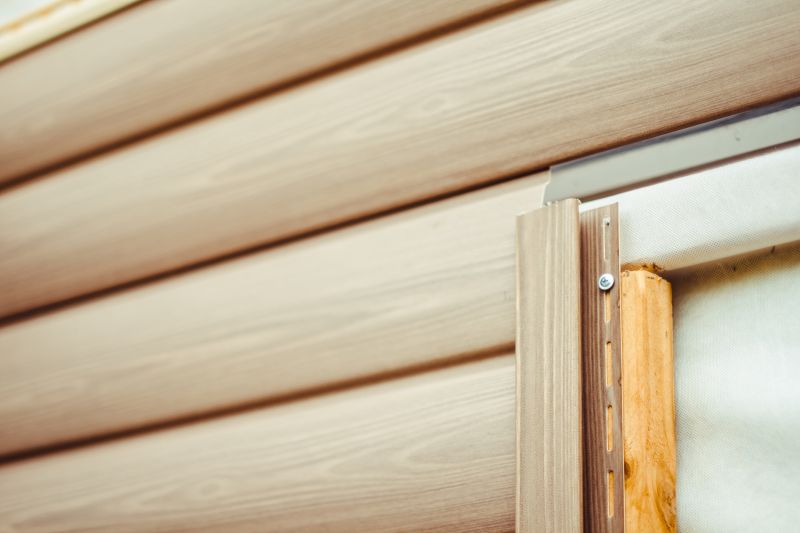
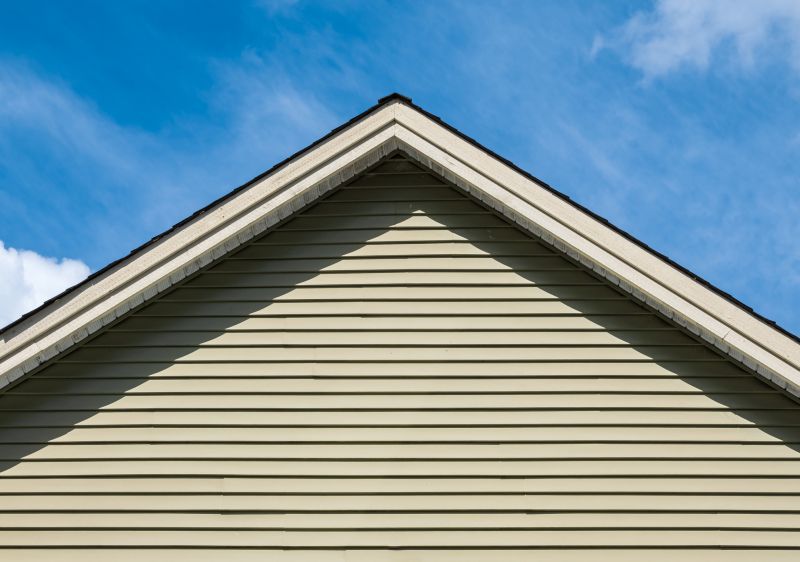
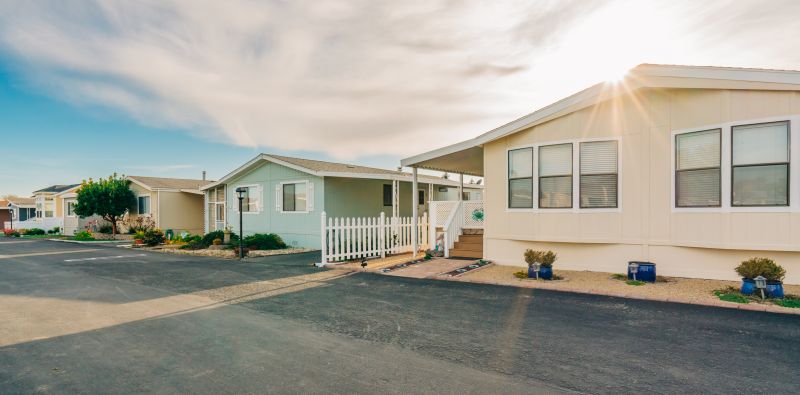
Insulated siding installation involves attaching specialized siding materials that include built-in foam insulation to the exterior of a property. This process enhances the building’s thermal barrier, helping to improve energy efficiency by reducing heat transfer through walls. Skilled contractors prepare the existing surface, ensure proper insulation placement, and securely install the siding to provide a durable and weather-resistant exterior. This service is designed to upgrade the appearance of a home or commercial building while also contributing to lower heating and cooling costs.
One of the primary problems insulated siding addresses is energy loss. Homes and buildings with inadequate insulation or older exteriors often experience drafts, uneven temperatures, and higher utility bills. Installing insulated siding helps create a more consistent indoor environment by adding an extra layer of insulation that blocks cold air infiltration and heat escape. Additionally, it can help mitigate issues caused by moisture or air leaks, which can lead to structural damage or mold growth if left unaddressed.
Insulated siding is commonly used on residential properties such as single-family homes, townhouses, and multi-family complexes. It is also suitable for certain commercial buildings that require a cost-effective way to improve insulation and exterior durability. Properties with existing siding that is damaged, outdated, or inefficient often benefit from this upgrade. Homeowners seeking to boost curb appeal while enhancing energy performance frequently choose insulated siding to achieve a more attractive and comfortable living space.
Choosing to have insulated siding installed can be a practical solution for property owners looking to improve the longevity and efficiency of their buildings. Local contractors who specialize in this service can assess a property's specific needs, recommend suitable siding options, and ensure proper installation. Whether dealing with drafts, high energy bills, or an aging exterior, property owners can contact local service providers to explore how insulated siding might be a beneficial addition to their property’s exterior.
The overview below groups typical Insulated Siding Installation projects into broad ranges so you can see how smaller, mid-sized, and larger jobs often compare in your area.
In many markets, a large share of routine jobs stays in the lower and middle ranges, while only a smaller percentage of projects moves into the highest bands when the work is more complex or site conditions are harder than average.
Smaller Repairs - For minor insulation repairs or patching, local contractors typically charge between $250 and $600. Many routine jobs fall within this range, though costs can vary based on the extent of work needed.
Standard Insulated Siding Installation - Replacing or installing insulated siding on a standard-sized home generally costs between $3,000 and $8,000. Most projects in this category are priced within this range, depending on siding material and home size.
Larger or Complex Projects - Larger, more complex installations, such as extensive siding replacement or custom work, can reach $10,000 to $20,000 or more. Fewer projects fall into this higher tier, typically reserved for detailed or multi-story jobs.
Full Home Siding Replacement - Complete siding overhauls on larger homes often range from $15,000 to $30,000+. These projects are less common and depend heavily on home size, siding type, and project scope.
Actual totals will depend on details like access to the work area, the scope of the project, and the materials selected, so use these as general starting points rather than exact figures.
Siding Repair and Replacement - professionals skilled in siding repair and replacement can apply similar techniques and tools used in insulated siding installation to ensure proper fitting and insulation integration.
Exterior Wall Insulation Projects - local contractors experienced in wall insulation work have the expertise to handle insulating and finishing exterior surfaces, aligning with insulated siding installation skills.
Cladding and Exterior Finish Applications - experts in applying various exterior claddings share planning and installation methods that relate closely to insulated siding projects.
Home Exterior Renovations - contractors performing comprehensive exterior upgrades often incorporate siding and insulation components, utilizing comparable tools and planning approaches.
Weatherproofing and Sealing Services - service providers focused on sealing and weatherproofing exteriors possess skills relevant to ensuring insulated siding performs effectively against the elements.
Roof Overhang and Eave Enhancements - specialists working on roof overhangs and eaves often use similar carpentry and planning skills applicable to siding installation projects.
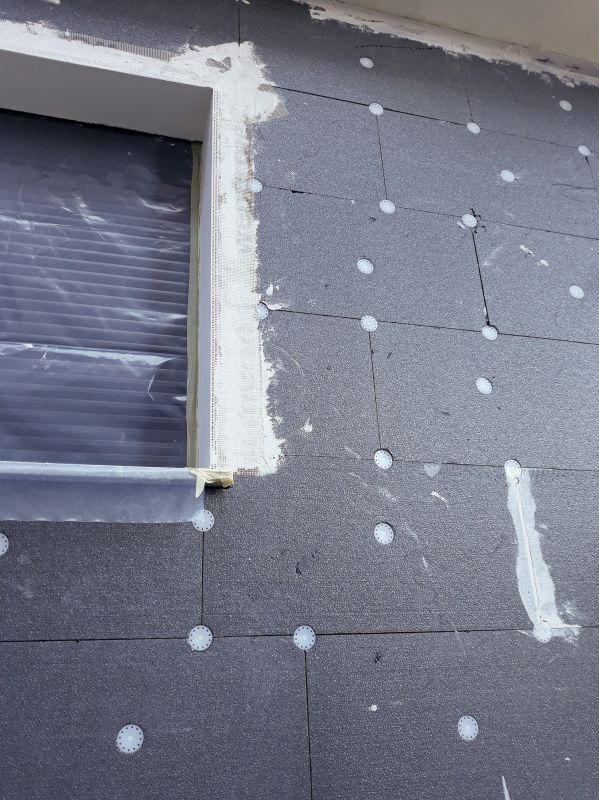
When evaluating local contractors for insulated siding installation, it’s important to consider their experience with similar projects. Homeowners should inquire about the types of siding projects the service providers have completed and whether they have a history of handling homes comparable in size and style. An experienced contractor can better anticipate potential challenges and deliver results that meet expectations. Additionally, asking for references or examples of past work can provide insight into the quality and durability of their installations, helping homeowners make more informed choices.
Clear, written expectations are essential for a smooth project process. Homeowners should seek service providers who can provide detailed descriptions of the scope of work, materials to be used, and the steps involved in the installation. This transparency helps ensure that both parties have aligned understanding of the project’s goals and reduces the likelihood of misunderstandings or surprises along the way. Having these details documented can also serve as a reference point throughout the project, fostering accountability and clarity.
Effective communication is a key factor when selecting local contractors for insulated siding installation. Homeowners should look for service providers who are responsive to questions, transparent about their processes, and willing to discuss project details openly. Good communication helps build trust and ensures that any concerns or changes can be addressed promptly. While the site introduces homeowners to local options, it’s important to remember that the actual work is performed by the contractors themselves-so choosing a provider known for clear communication can contribute significantly to a successful project experience.
Property owners use Insulated Siding Installation services for practical projects around their homes and businesses. This guide focuses on everyday jobs and straightforward project options.
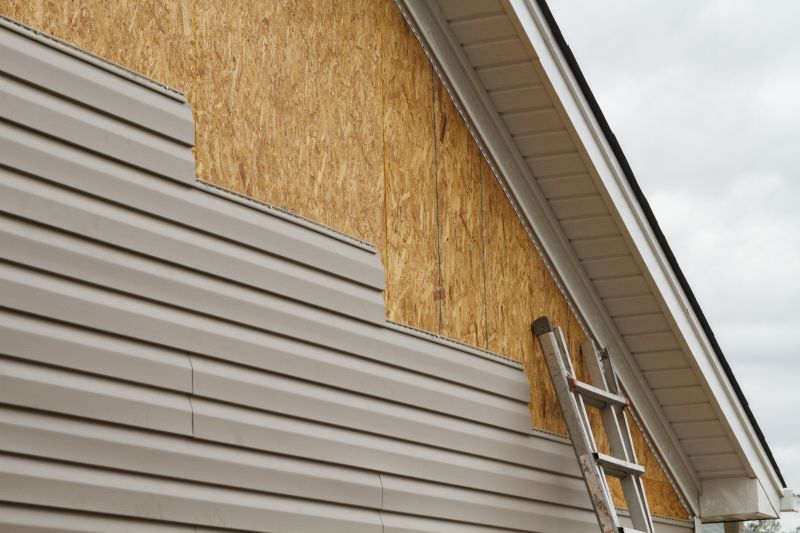
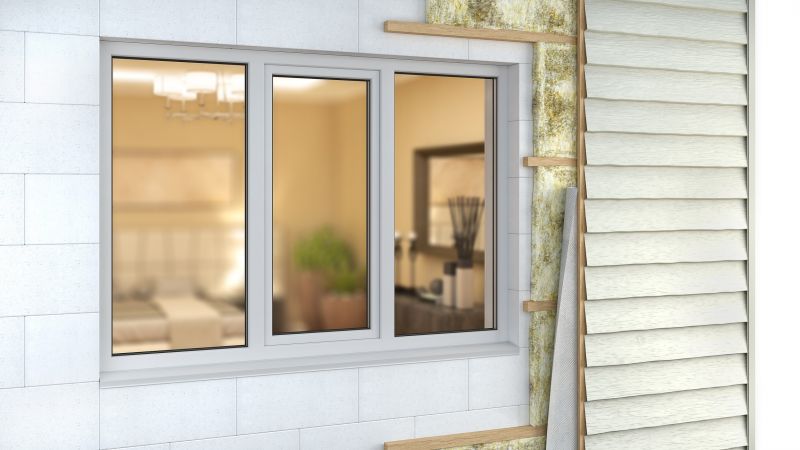
Insulated siding installation is often sought after by property owners facing the need to improve their home's energy efficiency and curb appeal. Common situations include noticing higher heating or cooling bills, drafts around windows and doors, or signs of exterior damage such as cracking or warping siding. Local contractors can help address these concerns by providing insulation-enhanced siding options that can help make homes more comfortable and reduce energy costs over time.
Additionally, property owners may look for insulated siding services when preparing a home for sale or simply wanting to update its appearance. Weather-related wear and tear, aging siding that no longer provides adequate insulation, or a desire for a fresh, modern look are typical reasons for seeking out local service providers. These professionals can assist with installing durable, insulated siding that adds value and enhances the overall look of the property.
What are the benefits of insulated siding installation? Insulated siding can improve energy efficiency, enhance curb appeal, and provide additional insulation for better comfort inside the home.
How do local contractors install insulated siding? Skilled service providers typically prepare the existing siding, attach insulation panels, and then install the new siding material securely to ensure durability and performance.
What types of siding materials are used with insulation? Common options include vinyl, fiber cement, and wood siding, all of which can be paired with insulation for added thermal protection.
Can insulated siding be added to any type of home? Insulated siding is suitable for most residential properties, but a professional assessment can determine the best approach based on the home's structure and condition.
What maintenance is required for insulated siding? Insulated siding generally requires regular cleaning and periodic inspections to maintain its appearance and performance over time.
Energy Efficiency Improvements - Insulated siding installation can help property owners reduce heating and cooling costs by enhancing wall insulation.
Home Exterior Upgrades - Upgrading to insulated siding offers a practical way to improve the appearance and durability of a home’s exterior.
Weather Resistance Enhancement - Installing insulated siding provides better protection against harsh weather conditions, helping to prevent drafts and moisture intrusion.
Property Value Boost - A home with insulated siding can be more attractive to buyers, offering a cost-effective way to enhance curb appeal.
If you are thinking about Insulated Siding Installation for a property, this guide is meant to help you understand the work, the typical project types, and how different options might fit your plans.
When you are ready, you can use the quote form on this page to share a few details about your project. From there, local pros can review the basics and respond with options that match what you have in mind.